

By Jonh, editor of Rio Gay Guide
LGBT travel in Brazil can take you from Rio de Janeiro to São Paulo’s art and queer nightlife, Minas Gerais’ food and mountains, Bahia’s African heritage and beaches, and the landscapes of Maranhão and Pará. These are the editor’s picks for international visitors planning a Brazil itinerary beyond Rio.
Brazil is enormous. A beautiful destination can be the wrong choice for your dates, and an ambitious itinerary can leave you spending more time in transit than enjoying the places you came to see.
Use this guide to compare destinations by what you enjoy, how you want to travel, and the time of year you are visiting. I would build your route around those choices, rather than try to fit every recommendation into one trip.
If you want art, culture, and LGBT nightlife, consider São Paulo, which you can reach from Rio by bus or car. For food, contemporary art, historic towns, and hiking, choose Belo Horizonte and a manageable combination of destinations in Minas Gerais.
For Afro-Brazilian culture, mountain landscapes, and quiet beaches, look at Salvador and Bahia, allowing enough time for Chapada Diamantina or the transfers to Boipeba. Bahia is a large state: choose the experiences you want most rather than rush between them.
For seasonal lagoons and white dunes, consider Lençóis Maranhenses after the main rains, checking recent lagoon conditions. For Amazonian food, culture, and river beaches, combine Belém and Alter do Chão, planning the connection through Santarém and the river-beach season.
These recommendations are selected for different travel styles. My Brazil travel planning consultation helps you decide which destinations fit your dates, budget, and interests, and how to connect them without rushing.
Starting your trip in Rio? Use our guide to where to stay in Rio de Janeiro to choose your base, then explore our editor’s picks for Rio’s gay beaches and our guide to gay bars, clubs, and pop-up parties in Rio.
Planning Brazil beyond Rio?
Talk to Jonh, editor of Rio Gay Guide, about a personalized travel consultation for your trip.
Where to go after Rio without flying: São Paulo and Minas Gerais
You do not need another flight to discover a different Brazil. São Paulo and Minas Gerais can be reached from Rio by intercity bus or rental car.
Think of them as extensions involving substantial travel, rather than quick day trips. A bus can work well between major cities; a rental car becomes especially useful when combining smaller towns and countryside stops. The right choice depends on your route and how comfortable you are driving.
São Paulo: art, culture, and LGBT nightlife
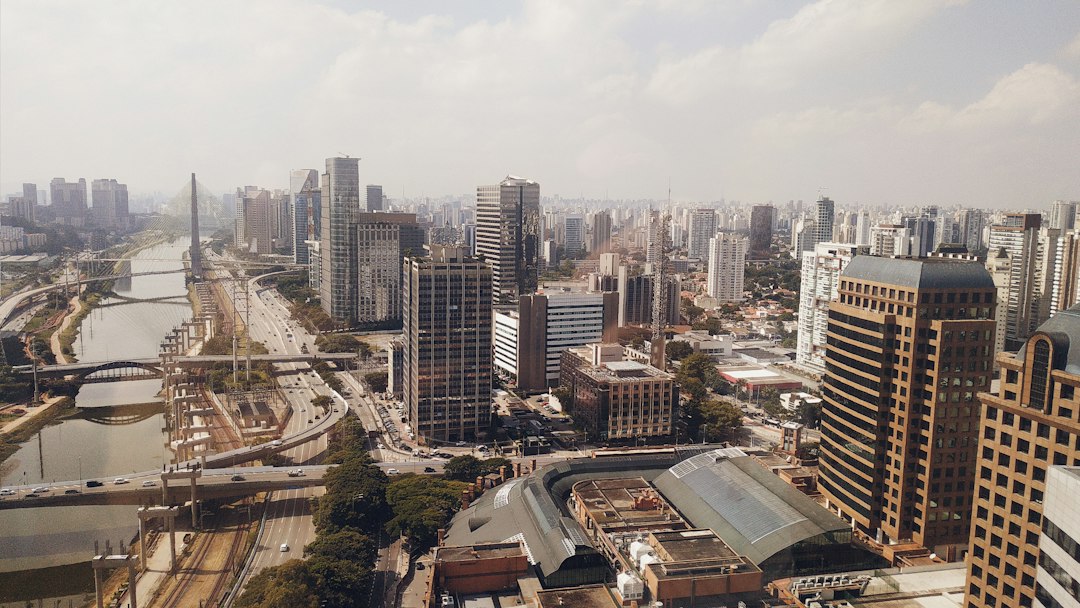
São Paulo is Brazil’s largest city, and my recommendation for travelers who want their next stop to feel completely different from Rio.
Here, I would build a trip around art, exhibitions, restaurants, and nightlife. MASP and the Pinacoteca are excellent starting points, but the city’s appeal also lives in smaller galleries, cultural spaces, and the neighborhoods between them.
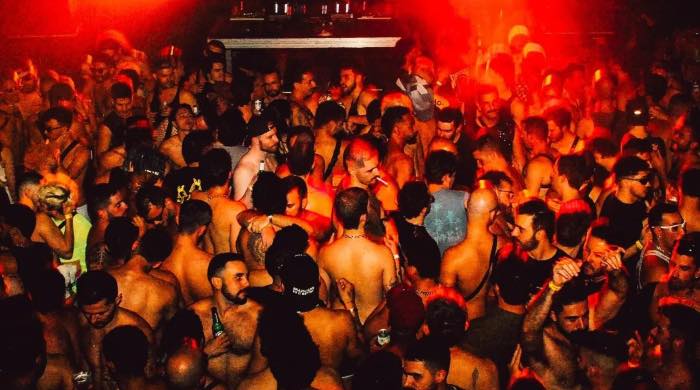
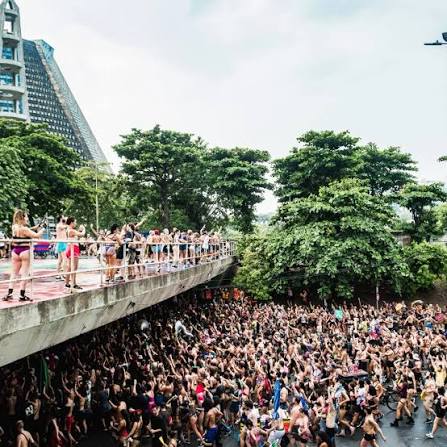
For LGBT travelers, its queer scene is a major reason to visit. Choosing the right night matters: the experience you want might be a bar, a dance floor, or a party whose crowd and music suit you. That calls for more thought than simply finding the nearest gay venue.
Editor’s pick: combine Rio and São Paulo if you want beaches and outdoor life followed by an intense urban dose of culture and nightlife. I would choose your nights first, then build the daytime itinerary around them.
Belo Horizonte: Minas Gerais food and hospitality
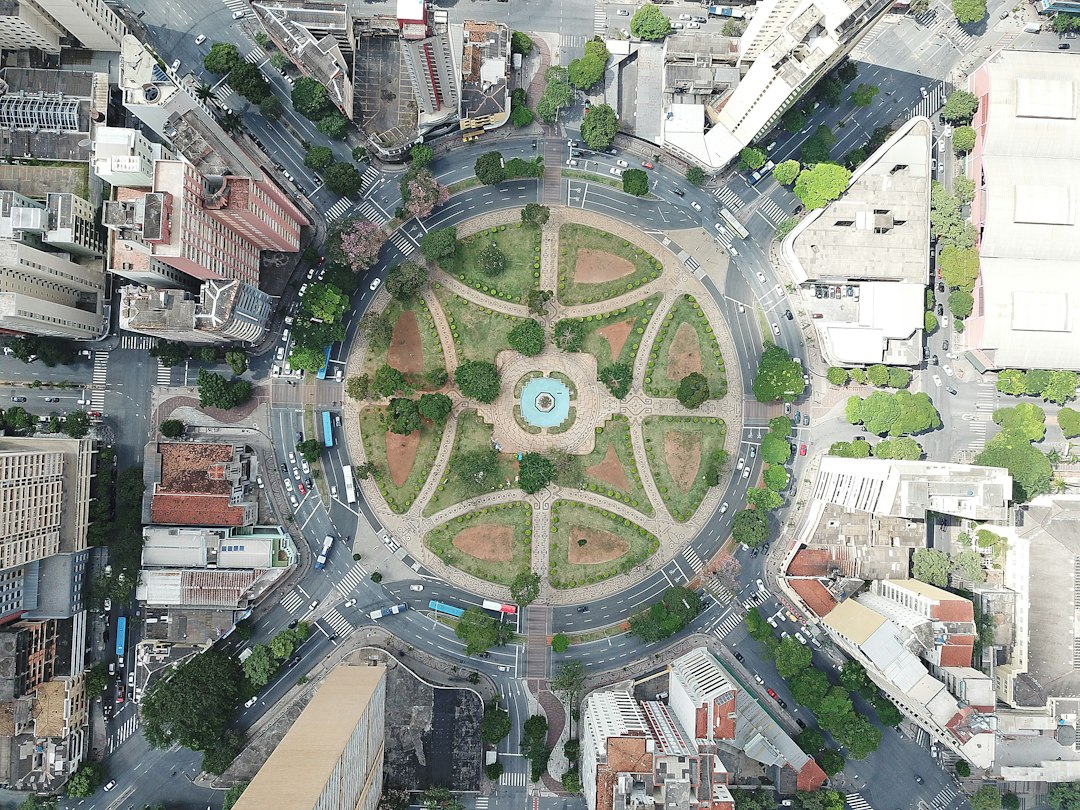
Belo Horizonte is one of my recommendations for travelers who connect with a place through food and people.
Minas Gerais is known for its hospitality, and that warmth is a big part of what makes the region special to me. I would leave room for long lunches, neighborhood bars, local cooking, and conversations that do not need to be rushed.
Food deserves to be central to this itinerary. Try pão de queijo, regional cheeses, and traditional mineiro cooking, but give yourself time to discover the city beyond a list of dishes.
Editor’s pick: use Belo Horizonte as the starting point for a journey through Minas Gerais, then choose the extensions that fit you best: contemporary art, natural landscapes, or historic towns.
Inhotim near Belo Horizonte: contemporary art and gardens
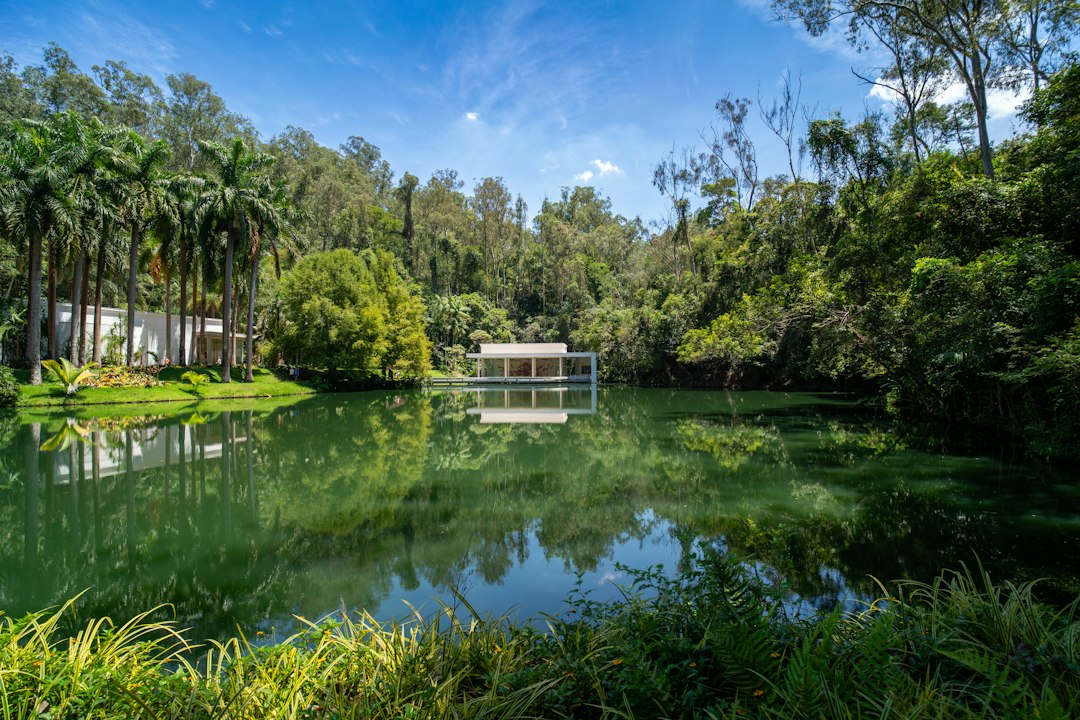
Near Belo Horizonte, in Brumadinho, Inhotim brings contemporary art, architecture, gardens, and landscape into one extraordinary experience. It is one of the world’s largest open-air art museums and a destination I would make room for in its own right.
Part of its appeal is moving between outdoor works and galleries, with the landscape shaping the way you encounter the art.
I would avoid treating it as a rushed stop squeezed between transfers. For someone who loves art, allowing more than one day can make a real difference.
Editor’s pick: pair Belo Horizonte with Inhotim if art and food are two of your main reasons to travel.
Serra do Cipó: waterfalls and hiking in Minas Gerais
For a nature-focused extension, I would look at Serra do Cipó.
Its waterfalls, mountain scenery, rivers, and trails offer a different kind of beauty from Rio’s coastline. This is a place to give yourself time outdoors and choose activities that match your fitness, interests, and the conditions during your visit.
Access, weather, and distances matter. A beautiful waterfall on a map does not tell you everything about the walk required to reach it.
Editor’s pick: combine Belo Horizonte and Serra do Cipó when you want regional food and hospitality alongside days devoted to nature.
Ouro Preto and Tiradentes: historic towns in Minas Gerais
Ouro Preto and Tiradentes are my suggestions for travelers drawn to historic streets, architecture, and a slower rhythm.
In Ouro Preto, I would make time for churches, museums, and the history behind the city’s beauty—including the gold economy and enslaved labor that shaped it.
Tiradentes is a lovely choice for walking, eating well, and spending time in a smaller town. It can be particularly appealing for a couple looking for a quieter part of their trip.
You do not have to include every destination in Minas Gerais. Serra do Cipó, Inhotim, Ouro Preto, and Tiradentes are different itinerary choices, rather than stops to squeeze automatically into one circuit.
Editor’s pick: choose Ouro Preto for a stronger emphasis on history and architecture, or Tiradentes for an unhurried stay centered on atmosphere and food.
Bahia travel: Salvador, Chapada Diamantina, and Boipeba
Salvador: African heritage, history, and “o molho”
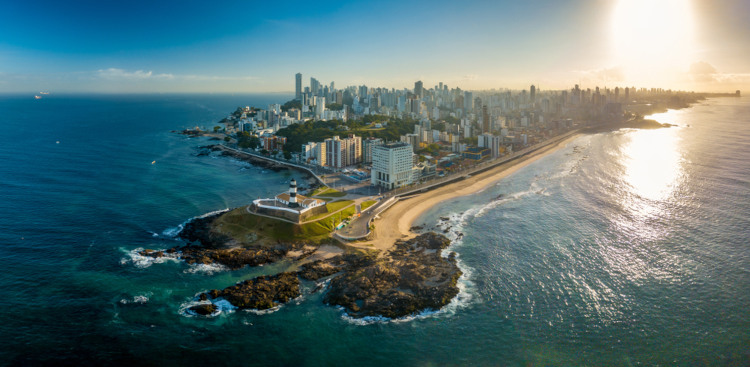
Salvador remains one of my favorite cities in Brazil.
Its historical importance and African cultural heritage are fundamental to understanding the country. They are present in its food, music, religion, art, and everyday life—not only in the places visitors photograph.
There is also something people in Brazil call o molho. Literally, it means “the sauce,” but here it is closer to a distinctive flair: charisma, rhythm, and a way of carrying yourself. For me, that expression captures part of Salvador’s appeal.
I would make space for Afro-Brazilian cultural experiences, local food, and time to feel the city beyond its major landmarks.
Safety concerns are part of the reality of visiting Salvador, and they influence how I would plan a stay: where to base yourself, how to move around, and when local guidance is useful. They do not erase what I love about the city.
Editor’s pick: choose Salvador if you want culture and history to be at the heart of your journey, with food and human encounters playing an equally important role.
Chapada Diamantina: hiking and nature in Bahia

Bahia is a huge state, with far more places and landscapes than one trip can cover. Salvador, Chapada Diamantina, and Boipeba offer very different experiences, and combining them requires time.
For travelers drawn to hiking and dramatic scenery, I would consider Chapada Diamantina. Mountains, waterfalls, caves, and trails make it an entirely different chapter from Salvador.
The itinerary should reflect how active you want to be. A demanding trek and a stay built around shorter excursions are different trips, with different needs for guides, transport, and recovery time.
Editor’s pick: pair Salvador with Chapada Diamantina if your ideal journey combines cultural immersion and outdoor adventure.
Boipeba and Moreré: a quiet beach escape in Bahia
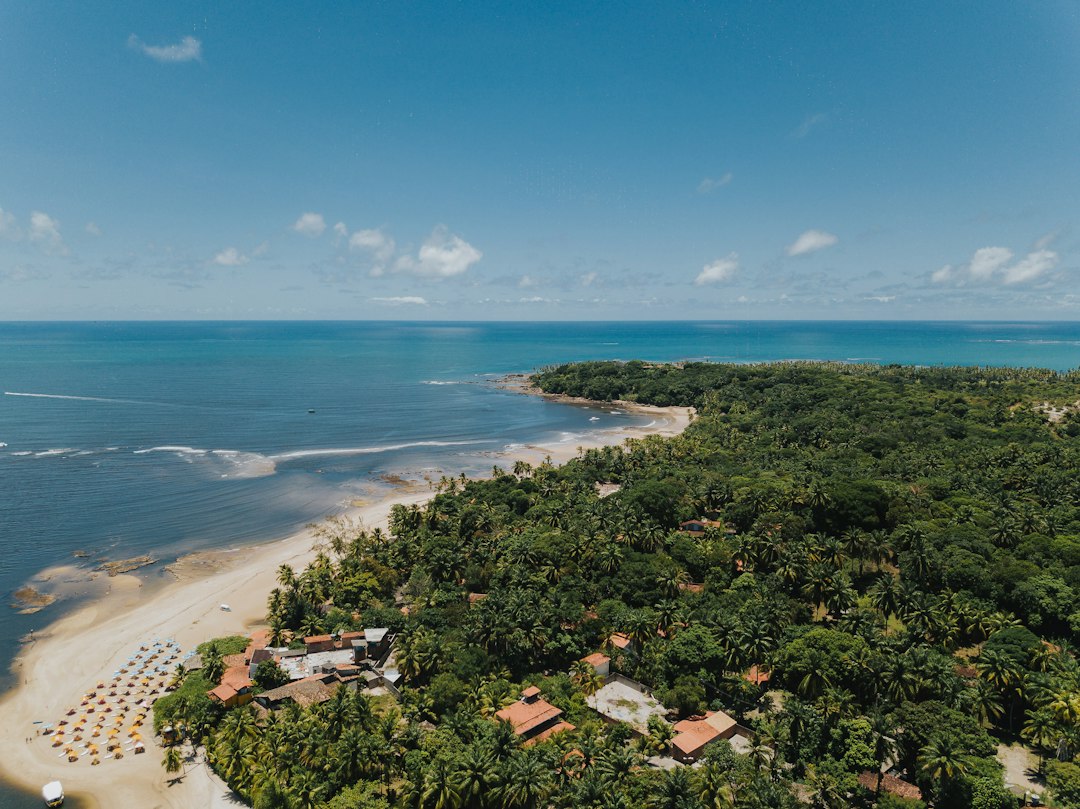
For a beach extension in Bahia, I would put Boipeba high on the list—with particular attention to Moreré.
This is the kind of place I would recommend to someone who wants to walk, enjoy the sea, eat well, and let the day unfold with fewer plans.
Moreré’s beach is the highlight I would build that stay around. Boat outings and natural pools can also be part of the experience, with tides and sea conditions guiding what makes sense each day.
Getting there requires planning around mainland transfers and boat travel. Where you stay on the island also shapes your experience, so the accommodation decision deserves as much attention as the destination itself.
Editor’s pick: choose Boipeba, especially Moreré, when you want the beach portion of your trip to feel intimate and unhurried.
Which destinations fit your trip?
Let’s choose a Brazil itinerary around your dates, interests, and travel pace.
Lençóis Maranhenses: the best season for the lagoons
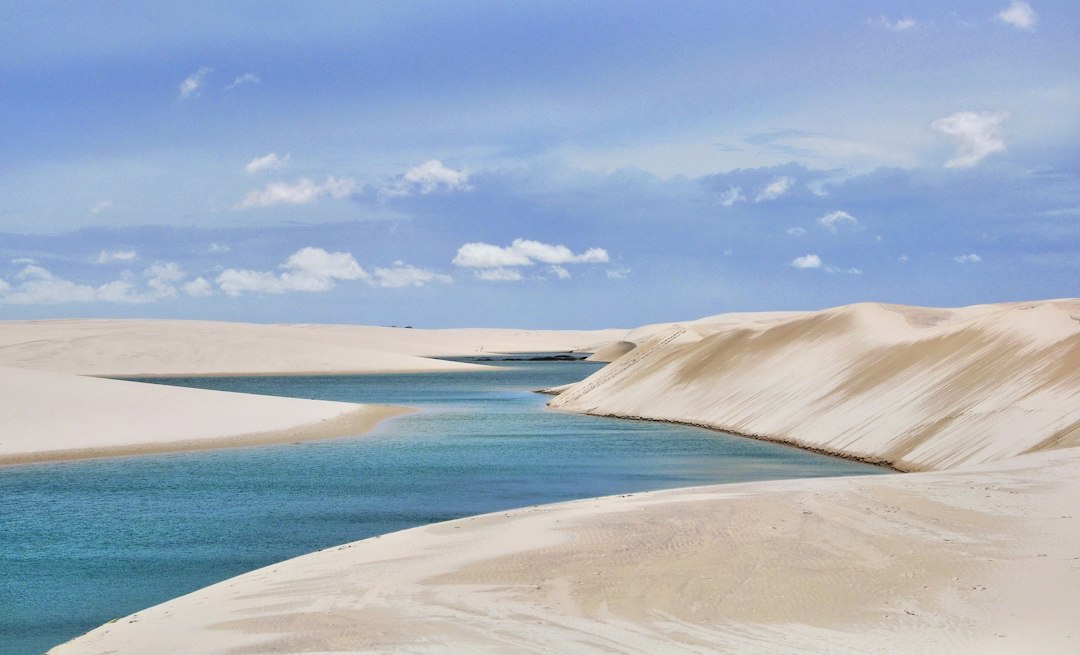
Lençóis Maranhenses is a destination where timing can transform the experience.
The famous lagoons form from rainfall. The trip many visitors imagine—white dunes, lagoons full of water, and better conditions for exploring—usually works best after the main rainy period, before the seasonal lagoons recede.
June through September is a commonly recommended window, with June through August often particularly appealing. Actual conditions vary from year to year and between lagoons.
January would not be my first choice for a traveler whose priority is that classic full-lagoon experience. The park can be visited throughout the year, but that does not mean the landscape will match the photographs that inspired your trip.
Editor’s pick: let the season determine whether Lençóis belongs in your itinerary. Check recent local conditions before committing, rather than choosing it only because it appears on a “best of Brazil” list.
Amazon travel in Pará: Belém and Alter do Chão
For travelers interested in the Amazon, I would consider a journey through Pará, combining Belém with Alter do Chão.
Belém: make food and culture part of the journey
I would treat Belém as a destination, rather than simply a connection.
Its markets, food, and cultural life offer an introduction to the Amazon through the people who live there. Ver-o-Peso is a natural starting point, and regional ingredients—such as tucupi, jambu, Amazonian fish, and açaí—make eating an essential part of the visit.
Editor’s pick: give Belém enough time for its own food and cultural experiences before continuing toward Alter do Chão.
Alter do Chão: river beaches and life along the Tapajós
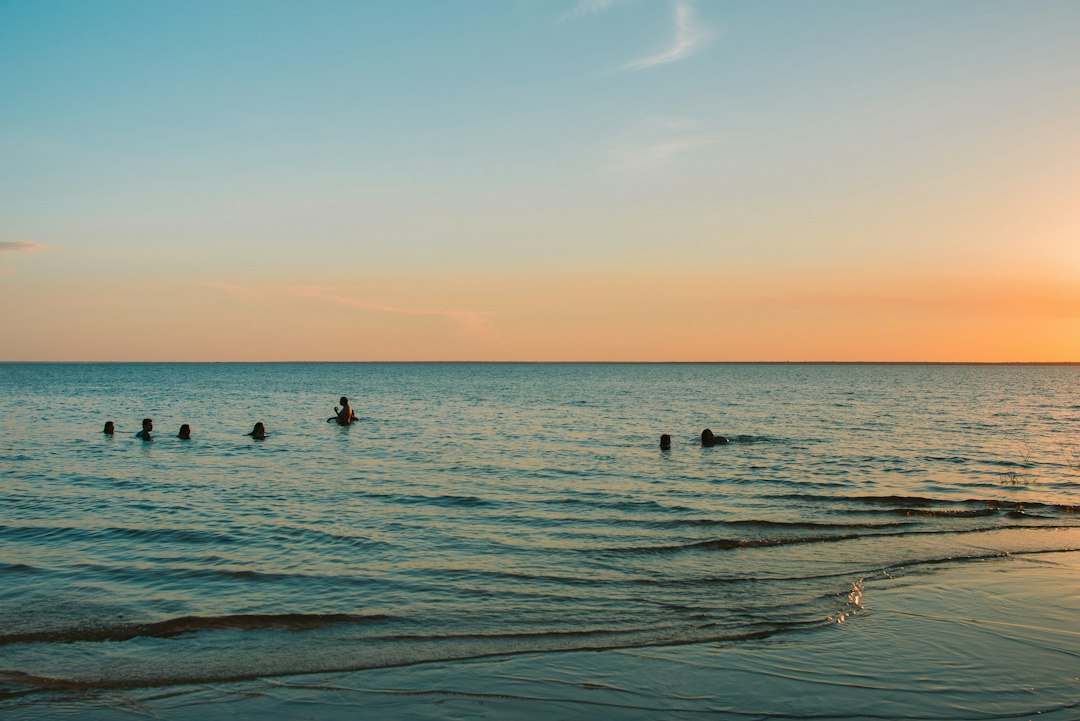
Alter do Chão offers an Amazonian experience shaped by the Tapajós River: freshwater beaches, boat journeys, forest excursions, and encounters with local communities through responsibly arranged visits.
You generally reach it through Santarém. Combining it with Belém requires a separate travel leg, so this should be planned as a regional itinerary.
Seasonality matters here too. The river’s changing level affects which beaches are exposed; August through December is commonly recommended for the beach-focused experience. Conditions still need to be checked for your dates.
Editor’s pick: combine Belém and Alter do Chão if you want an Amazonian journey that brings together food, culture, rivers, and time in nature.
How to choose your Brazil itinerary
If you are visiting from abroad, the most useful question is often: “Which of these places makes sense for my trip?”
You might want Rio and São Paulo for culture and queer nightlife. You might prefer Minas Gerais for art, food, and mountains. Or Bahia could be the better fit for cultural heritage followed by hiking or quiet beach days.
For LGBT travelers, planning also involves more personal questions. How important is queer nightlife? Are you traveling alone or as a couple? Do you want somewhere social, somewhere intimate, or a balance of both? What would help you feel comfortable in a new place?
These choices deserve a conversation.
LGBT travel in Brazil: frequently asked questions
Where should LGBT travelers go in Brazil after Rio?
My picks include São Paulo for culture and queer nightlife; Minas Gerais for food, Inhotim, historic towns, and hiking; and Bahia for Salvador, Chapada Diamantina, and Boipeba. Lençóis Maranhenses and Pará are excellent options when their seasonal landscapes fit your dates.
Can I travel from Rio to São Paulo or Belo Horizonte without flying?
Yes. Both cities can be reached from Rio by intercity bus or rental car. Allow substantial travel time. A car can be helpful for smaller towns and countryside stops in Minas Gerais; it is less useful if your trip stays within major cities.
When is the best time to visit Lençóis Maranhenses?
June through September is commonly recommended for visiting the seasonal lagoons after the main rains, with June through August often especially appealing. Rainfall and lagoon levels vary each year. January is not my first choice for the classic full-lagoon experience; check recent conditions before booking.
When should I visit Alter do Chão for river beaches?
August through December is commonly recommended for the river-beach experience in Alter do Chão, when lower water levels expose more sand. The river level varies, so confirm conditions for your dates. Plan your arrival through Santarém and allow a separate travel leg if you are also visiting Belém.
What does a Brazil travel planning consultation help me decide?
A personalized consultation with Jonh, editor of Rio Gay Guide, helps you choose destinations, a realistic route, where to stay, and experiences that fit your interests. We begin with a video call about your dates and travel style, including how much queer nightlife, culture, food, or nature you want in your itinerary.
Planning sources and seasonal advice
Seasonal guidance is based on Brazil’s official tourism and park resources: the Ministry of Tourism’s Lençóis Maranhenses lagoon-season guidance, ICMBio’s visitor information for the national park, and Visit Brasil’s Alter do Chão travel information. These are general seasonal windows; confirm current conditions before booking.
Personalized Brazil travel planning for LGBT visitors
I’m Jonh, editor of Rio Gay Guide, and I offer personalized travel consultations for international LGBT visitors planning a trip to Brazil.
We begin with a video call to understand your interests, dates, pace, and travel style. From there, I help you make informed choices about destinations, the order of your journey, where to stay, and the experiences worth making time for.
The value is in connecting the details: choosing the right season, allowing realistic travel time, finding the right balance between city and nature, and shaping a journey around what you actually enjoy.
Whether Rio is your starting point or one stop in a longer trip, I would be happy to help you discover the Brazil that fits you.
Let’s plan your Brazil trip
Tell me when you are traveling and what you love. Get in touch to discuss a personalized Brazil travel planning consultation.
Featured image: Lençóis Maranhenses. Photo by gabriel xu on Unsplash.