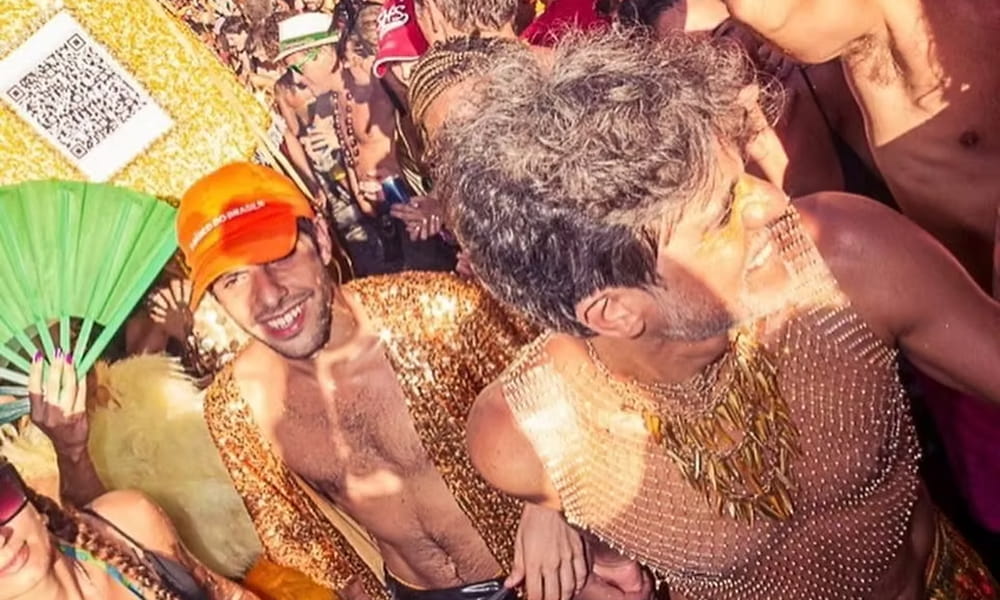


Rio de Janeiro is famous for its beaches, parties, and freedom. For LGBTQ+ travelers, the city’s nightlife can feel like a paradise of music, dancing, and connection. But alongside the fun, there are also risks that you should be aware of — especially when it comes to drugs being sold on the beach, in clubs, or even through apps like Grindr.
This guide isn’t here to encourage drug use. It’s here to give you the honest information many travelers wish they had before visiting.
Yes, You Will Be Offered Substances
Just like in other big cities, it’s common to be approached with offers of marijuana, cocaine, ecstasy, or pills of unknown origin. You’ll hear it whispered on the sand at Copacabana or Ipanema, outside clubs in Lapa, or even receive unsolicited messages on Grindr.
While this might seem “normal,” it’s important to remember that drug possession and use in Brazil are illegal.
The Police Factor: Harsh and Opportunistic
One of the biggest risks in Rio is not just the drugs themselves — it’s the police. Brazilian law enforcement takes a very hard stance against drug possession, and tourists are easy targets.
- It’s common for travelers caught with small amounts to be extorted by police officers.
- Even if you think “it’s just a joint,” you may face bribery demands, harassment, or legal trouble that can completely ruin your trip.
- In short: getting involved with drugs in Rio can expose you not only to health risks but also to serious police corruption issues.
The Bigger Danger: Adulterated Substances
Beyond the legal issue, there’s a growing concern about adulterated drugs in Brazil. Substances are often mixed with cheap fillers or, even worse, dangerous chemicals.
- In recent years, reports of fentanyl-laced cocaine and marijuana have surfaced in South America.
- Fentanyl is 50 times stronger than heroin and just a trace amount can cause overdose.
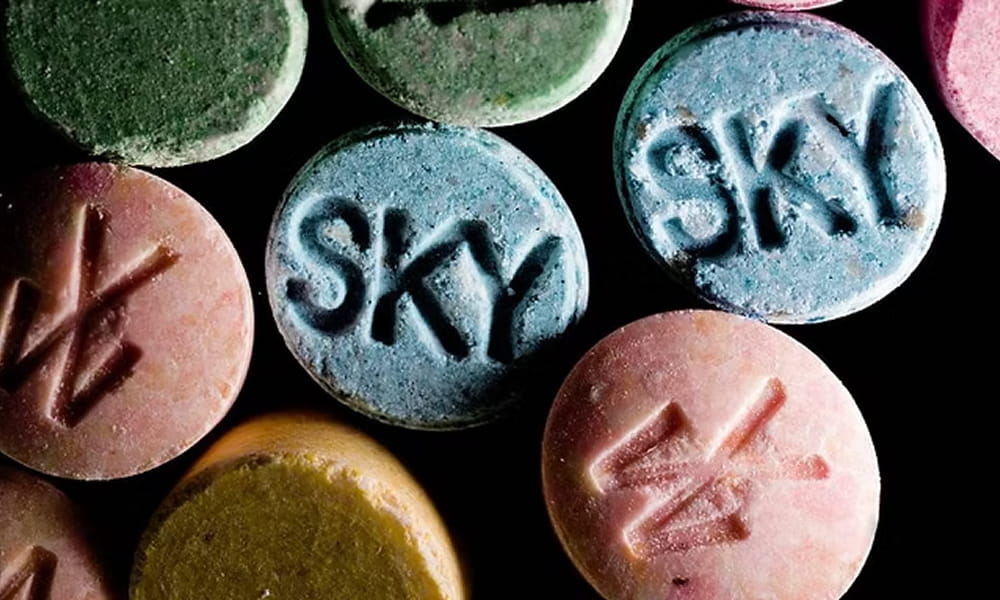
- Pills (sold as ecstasy or MDMA) are frequently mixed with unknown powders that carry unpredictable effects.
In short: you never really know what you’re buying.
If You Still Decide to Take the Risk
The safest choice is always to say no. But if you do consider it, at least take harm reduction seriously:
- ❌ Never buy from strangers on the beach or clubs.
- ✅ Ask a trusted local friend for advice before making any decision.
- ✅ Use drug testing kits if available (some NGOs and activist groups provide them).
- ✅ Never use alone — always have someone sober around.
- ✅ Start small if you’re unsure what you’re taking.
- 🚨 If you feel unwell, seek medical help immediately (emergency number in Brazil: 192).
Final Word: Freedom Comes With Responsibility
Rio’s queer nightlife is legendary. But don’t let curiosity or pressure put your health at risk. Illegal drugs in Brazil are unpredictable, unsafe, and often linked to police harassment and extortion.
👉 If you want the real local experience, connect with a trusted friend, ask questions, and prioritize your safety above all else. Remember: it’s better to wake up with a hangover from too many caipirinhas than not to wake up at all.